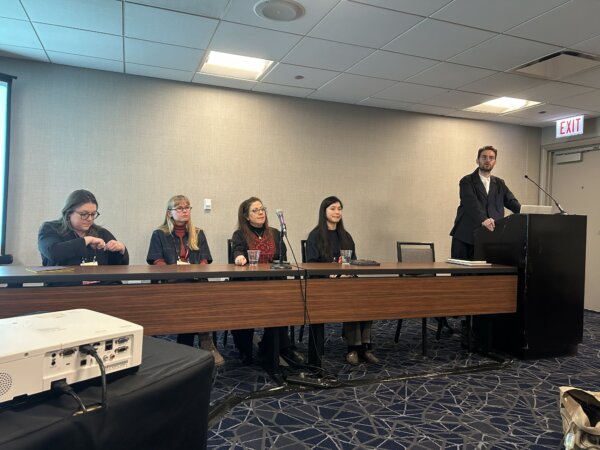
This year's theme of Design for War and Peace inspired me to put together a panel that would reconsider the production of propaganda in the Eastern Bloc after Stalin. Communist propaganda is often equated with the worst examples of Stalinist socialist realism: images of a rosy-cheeked utopia designed to substitute for the grim realities of life in an authoritarian state. 'Good' propaganda tends to enter the Western sphere of consciousness when it is aligned with various avant-garde moments in Western art. This includes both Constructivism of the 1920s and the Soviet 'non-conformism' that emerged in tandem with Western pop art and postmodernism in the 1970s. In Soviet non-conformist art, the imagery of propaganda was played with to produce critical messages about daily life and state control. However, for the majority of artists and designers, there was no option but to produce propaganda. By focusing our attention on these artists, we can learn much about the realities of creative production during late socialism. At a time when art needed to be justified in terms of an ideological purpose, the introduction of new ideas associated with science, design, architecture, history and the environment during the 1960s led to a diverse range of socialist cultural production within official art.
In her paper entitled The Art—Design Continuum: Strategic Ambivalence in Projects by the Movement Group (Moscow, 1960s), Jane Sharpe (Rutgers) explored how the kinetic art group Dvizhenie inhabited the border of art, design and science. By working on commissions for scientific research institutes, they were able to produce abstract sculptures and media environments that played a critical role in artistic discourse that both 'accommodated and challenged ambivalent policies pursued within official circles during the Thaw.'
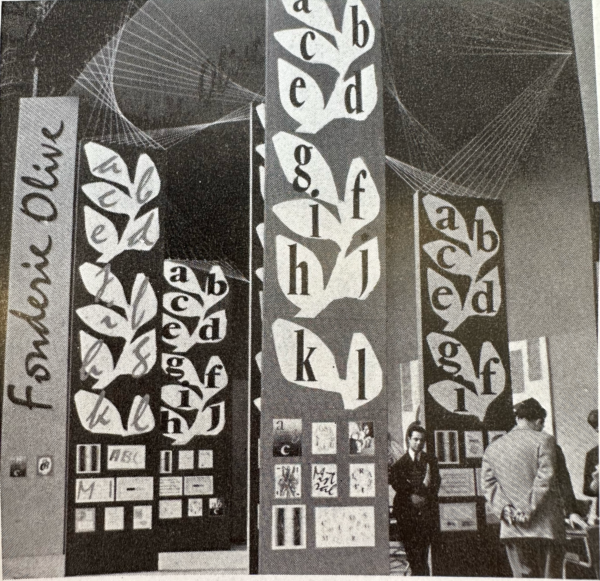
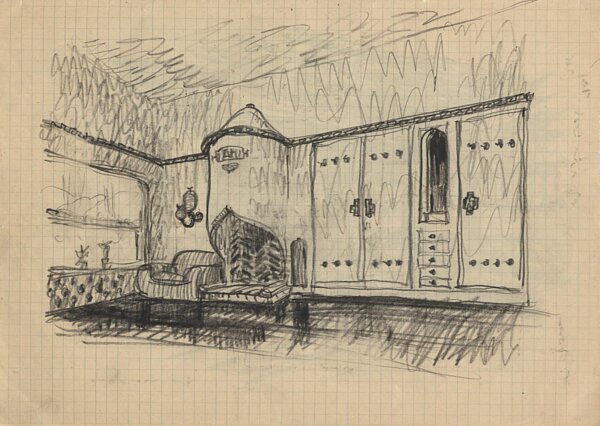
In my paper entitled Postmodern Propaganda? New approaches in urban design after the Soviet thaw, I explained how members of a Soviet Experimental design studio expanded their activities into the field of 'visual agitation' at a time when the ineffectiveness of propaganda slogans and portraits of elderly members of the Politburo had become almost universally recognized. With reference to avant-garde Italian design and semiotics, they argued that the entire manmade environment would form the outlook of man and that the practice of 'visual agitation' must be therefore be redefined. In a range of projects, designers promoted a holistic concept of design and attempted colonize a field of creative production that was rich in resources but poor in quality.
Katarzyna Jeżowska (Oxford) examined the work of designer and architect Jacek Damięcki. In her paper Reframed past and designed future – celebrating the 30th anniversary of the Polish People's Republic, she explained how an official installation was designed to disrupt the standard way propaganda exhibitions might communicate. Instead of imparting direct messages from the party to the audience, Damięcki used objects to create microhistories: small narratives and memories that did not feature in official histories of the 1944 Polish uprising.
What became clear from our discussion is that while the effectiveness of mainstream forms of propaganda such as socialist realist and monumental art were often doubted, artists and designers did not fully abandon the concept of propaganda. On the one hand, this was influenced by the necessity to engage with official themes in order to be recognized as an artist by the state. However, it seems that many practitioners interpreted propaganda in its broadest sense: as art, architecture and design that could fundamentally change an individual's perception of the world and their role within it.
Categories
Contribute
Want to contribute to the blog and newsletter? Contact us
Newsletter
Keep informed of all Society events and activities, subscribe to our newsletter.