![Report: Vernacular Aesthetics and Design Practices Between the 1920s and 1950s (Research Access Grant [Academic] recipient)](https://cdn.designhistorysociety.org/uploads/images/_half/FIGURE-8.jpg)
Esra Bici Nasır, Assistant Professor in the Department of Industrial Design at Izmir University of Economics, reports on her archival research tripto Salt Research in Istanbul, as recipient of the Research Access Grant (Academic)
------------------------------------------------------------------------
When applying for the Design History Society Research Access Grant (Academic), I titled my project Vernacular Aesthetics and Design Practices Between the 1920s and 1950s. My aim was to explore how vernacular traditions shaped modern design practices in Early Republican Turkey, a period of profound social and cultural transformation. Within this broad framework, I chose to focus specifically on the design practice of Sedad Hakkı Eldem (1908–1988), one of the most influential figures of Turkish architecture. His work in furniture and interior design represents a fascinating dimension of his career, but one that is less known, and therefore in need of further study.
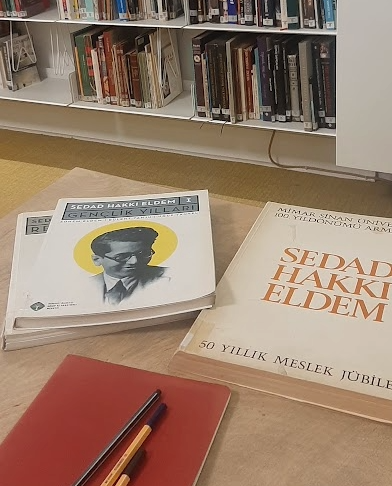
For me, Eldem represents a unique voice in design history. At a time when the newly founded Turkish Republic was keen to adopt Western-oriented modernism, often expressed through the unadorned cubic forms introduced by émigré architects from Germany and Austria, Eldem proposed a distinctive alternative. Despite his different approach, however, his views were clearly aligned with modernism, and he believed that the Turkish House embodied these values: ample windows, flexible plans, an honest use of materials, and an integration of interiors with elements of the natural world. Rather than regarding vernacular forms as nostalgic or obsolete, he reimagined them as resources for building a modern idiom. It is true that existing scholarship had already acknowledged Eldem’s references to traditional Turkish interiors and local furniture, such as the sedir, divan, and ocak; however, my research aimed at a much more detailed analysis, focusing directly on his sketches, tracing the reimagining of these vernacular elements, and their entry into the vocabulary of modern design. It is important to emphasize that his vision extended into the interior, where furniture, built-in seating, and domestic arrangements were all part of a holistic Gesamtkunstwerk. While researching my initial hypothesis, namely, that Eldem would primarily draw from modernized versions of traditional elements, such as built-in sofas, the sedir, the ocak, and the divan, I came to realise that he had in fact also designed seating elements with clear Western references and origins.
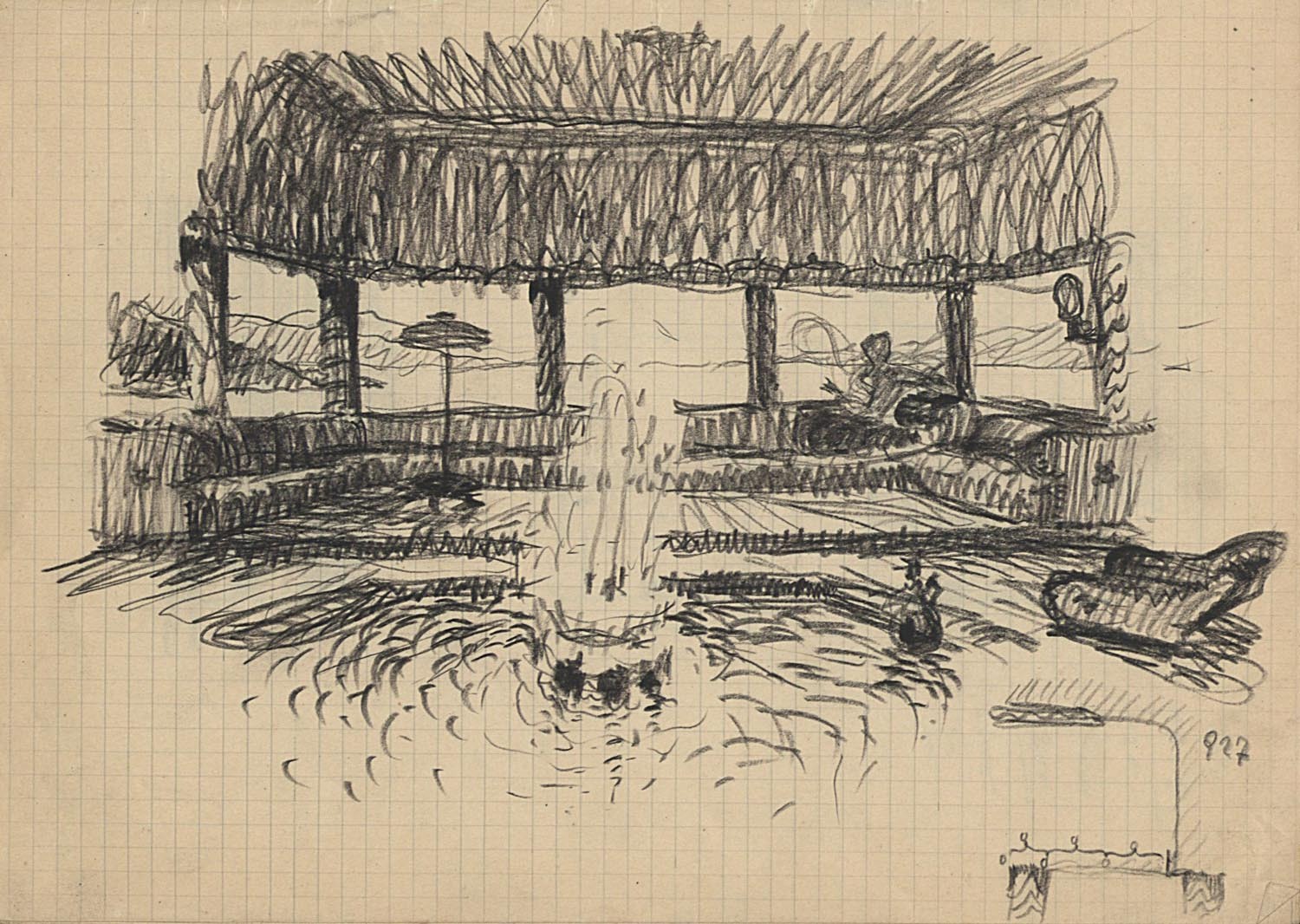
The DHS award made it possible for me to conduct in-depth archival research at Salt Research in Istanbul between 3 and 7 April 2023. I travelled from Izmir to Istanbul on 2 April, and returned on 8 April, dedicating five full days to examining Eldem’s collections.
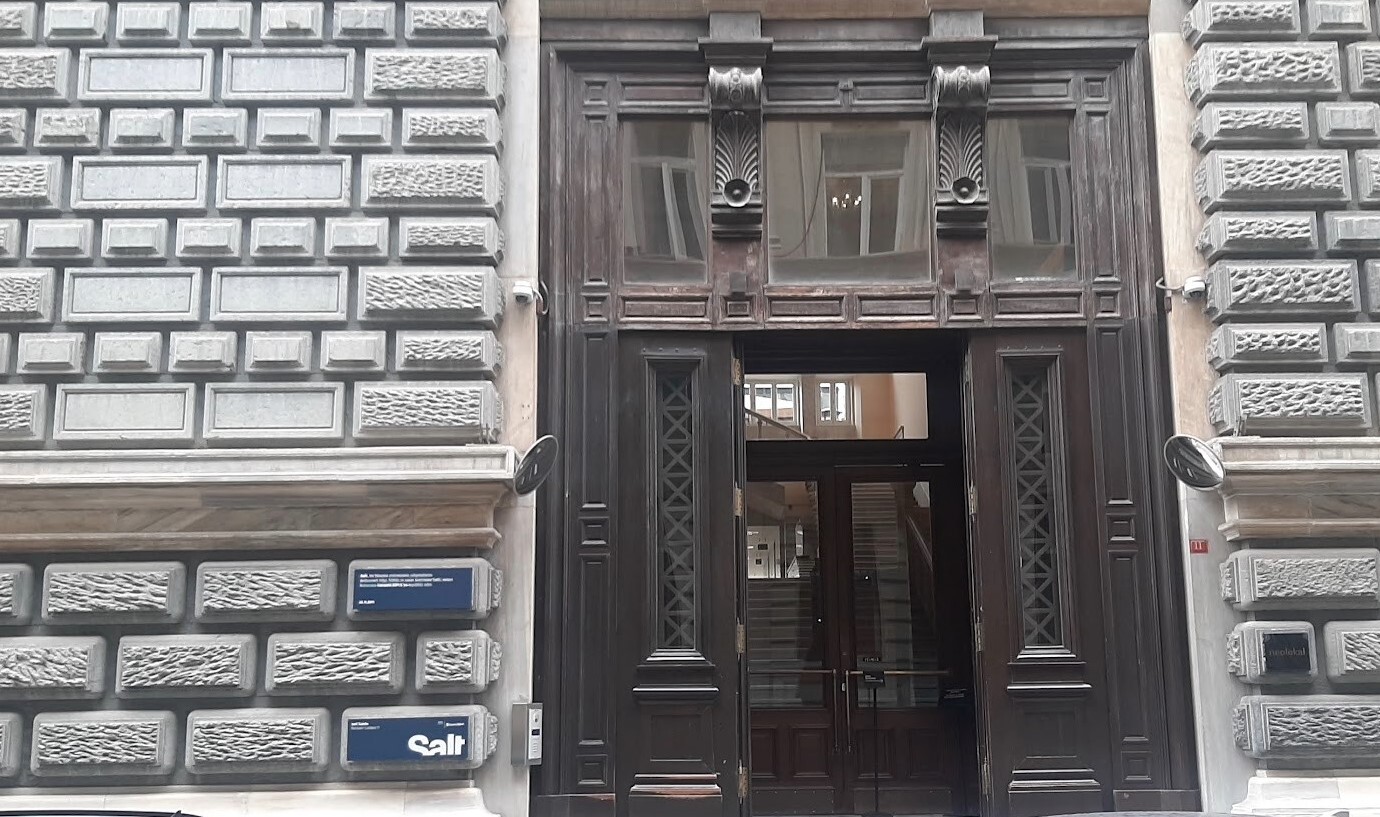
Located in Karaköy on Bankalar Caddesi, the Salt Galata building was designed by the French Levantine architect Alexandre Vallauri for the Imperial Ottoman Bank (later known as the Ottoman Bank) and served as its headquarters between 1892 and 1999. Today refunctioned as a cultural institution, this historical setting added a special atmosphere to my research experience.
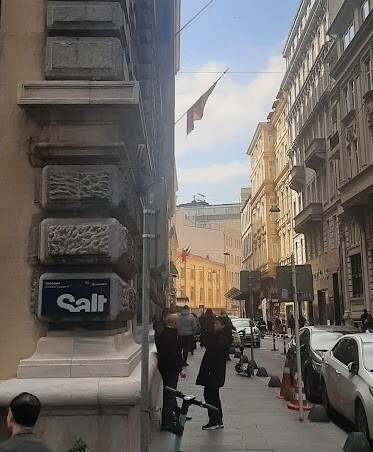
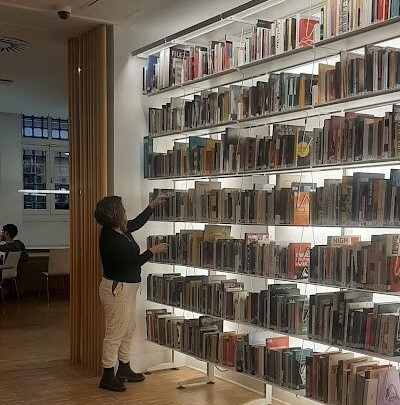
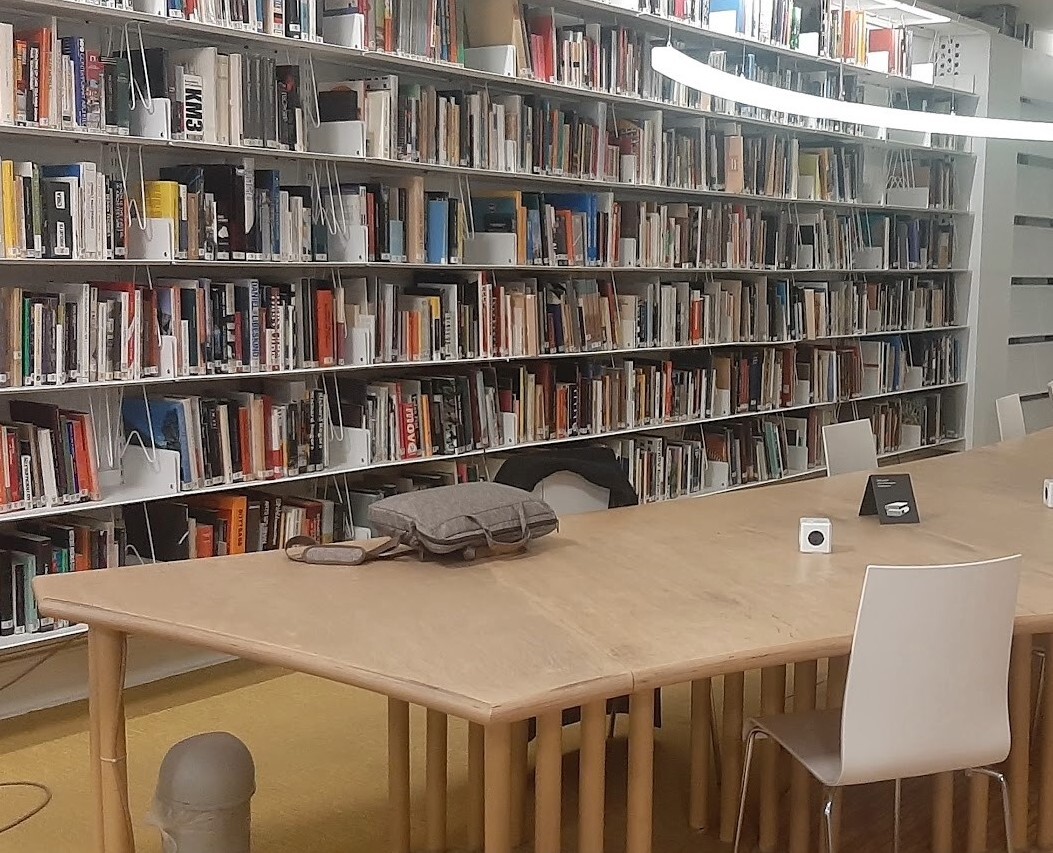
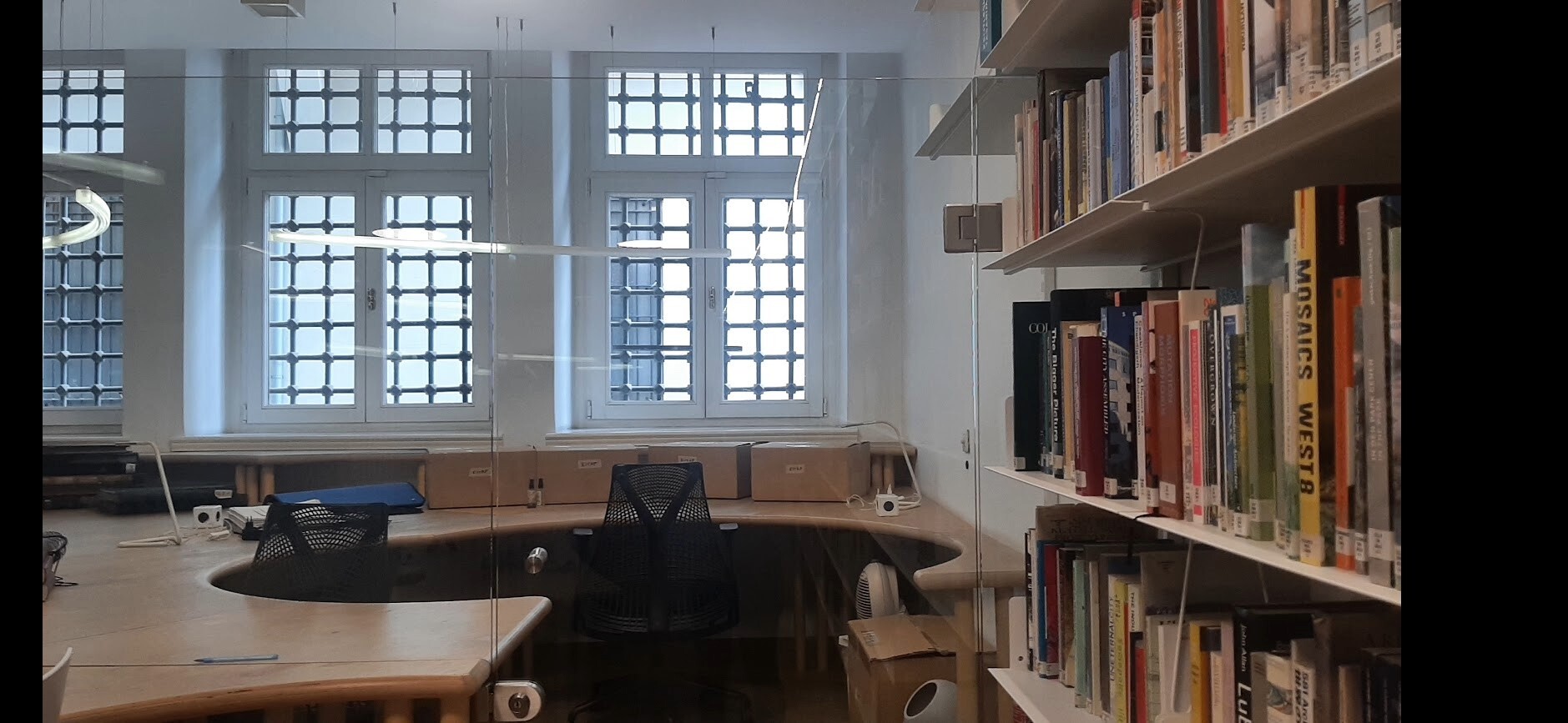
The research took place in the Ferit F. Şahenk Reading Room at Salt Galata, which includes the collections of art, architecture and design, having an access system that requires a personal card issued to registered researchers.
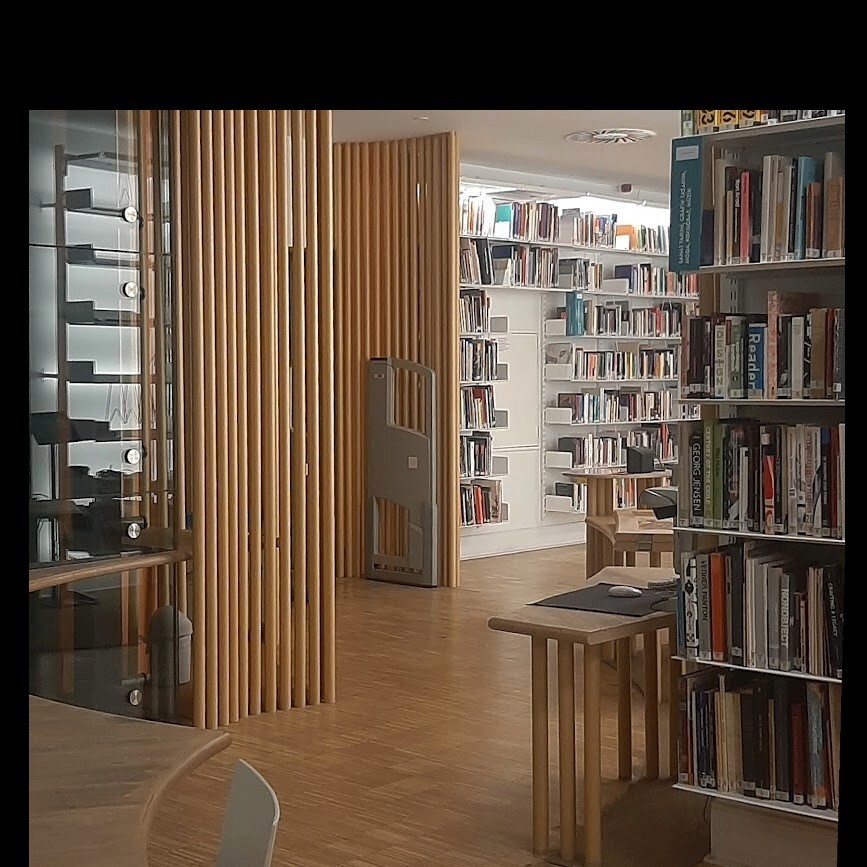
Unlike browsing the digital archive from a personal computer at home, where Eldem’s sketches appear only as small thumbnails, accessing the archive onsite as a registered researcher transformed the experience. Here I had the opportunity to enlarge any item of interest, follow the immediacy of the pencil strokes, and carefully scrutinize Eldem’s handwritten notes in the margins.
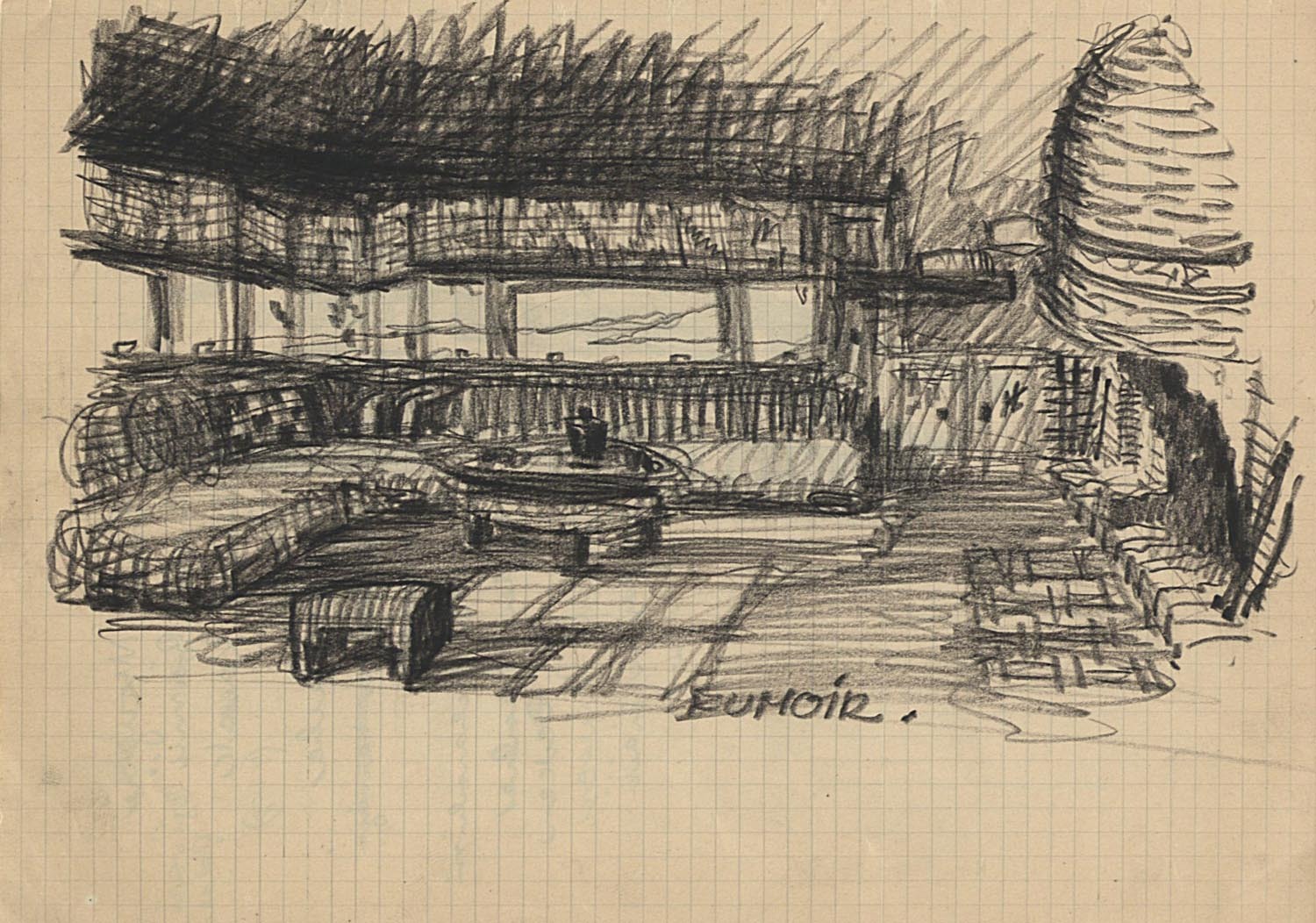
For me, this experience was akin to stepping directly into his creative process, tracing the material evidence of his thought at the moment it was unfolding before him. In addition to the digital collections, I was also able to consult rare books on Eldem, which provided a valuable complement to the archival materials, and enriched my understanding of his work.
My research focused on primarily one collection: Sedad Hakkı Eldem I: The Early Years, covering the period between 1928 and 1934. Most of these documents were related to architectural projects; I examined the entire corpus in order to identify those that contained interiors and furniture, and focused my analysis specifically on them.
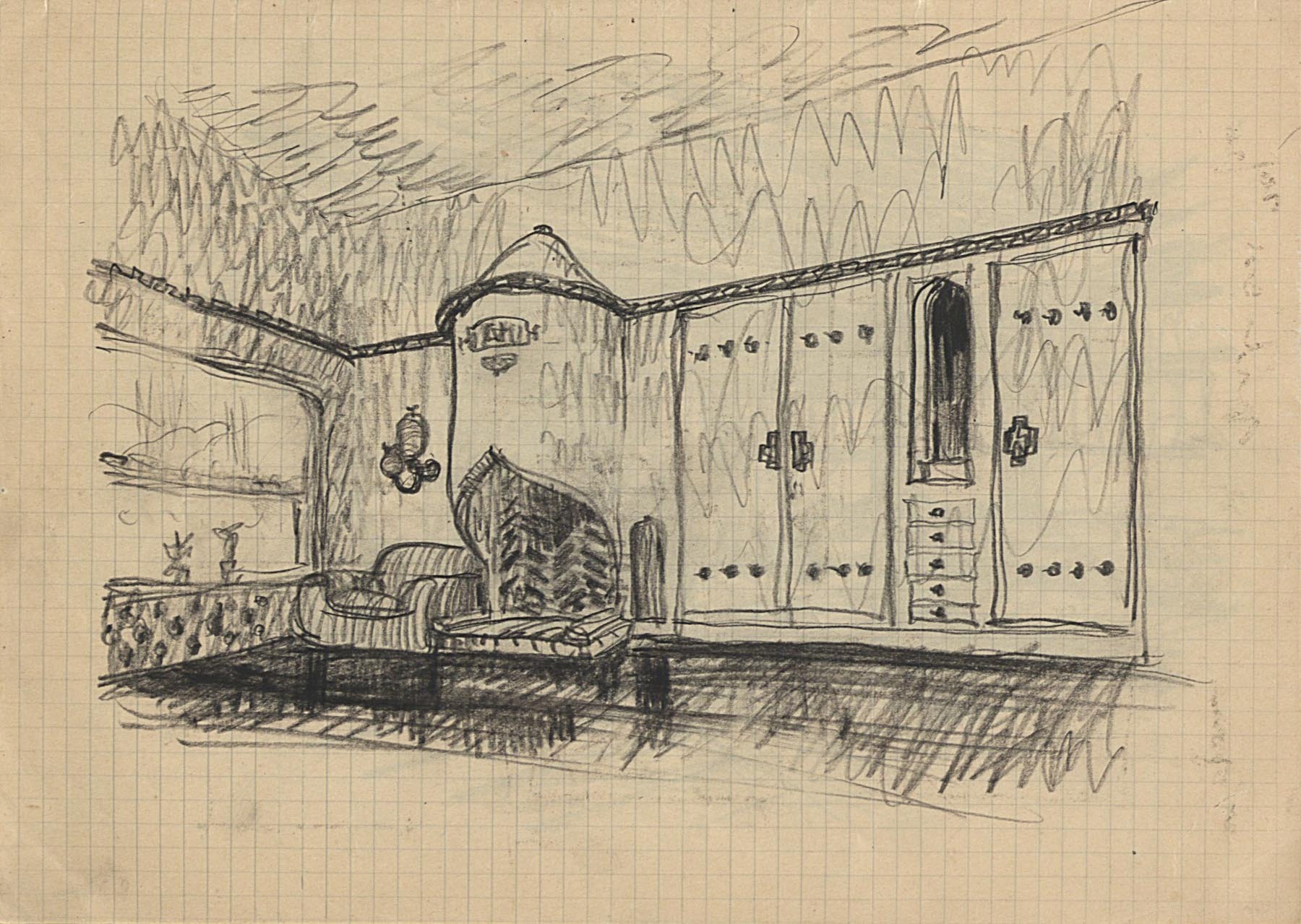
When examining this collection, I observed the recurring motif of built-in seating arrangements, a form inherited from the traditional sedir but reinterpreted through modern proportions and materials. I was also highly impressed by Eldem’s repeated use of extended horizontal lines in his furniture designs, which allowed him to reflect both vernacular aesthetics and the influence of international modernism. However, for me, the most striking aspect of the collections was the wide variety of Western-style chairs used in combination with preserved vernacular interior settings.
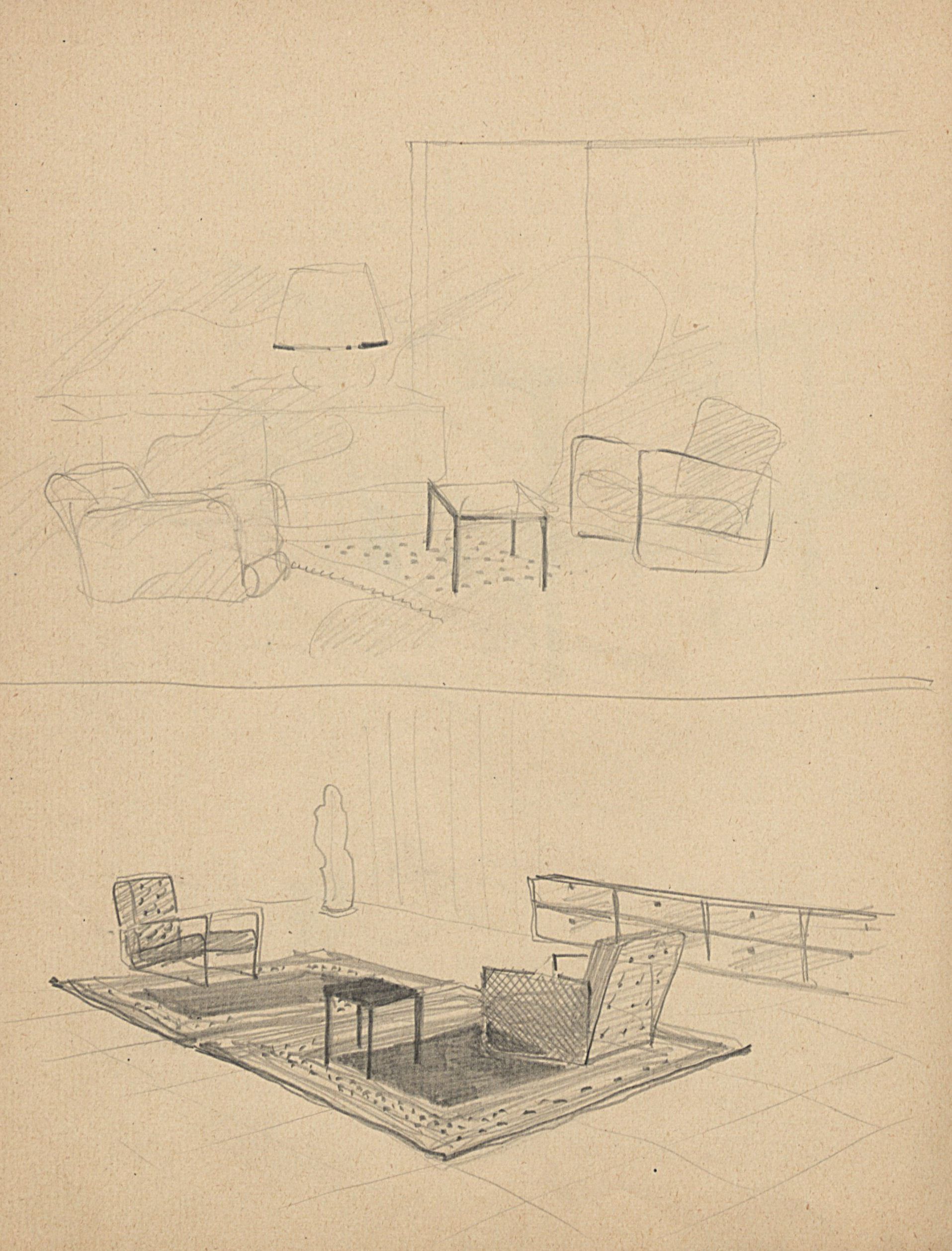
The five days I spent at Salt were intense and rewarding. Each morning I arrived early, eager to immerse myself in the documents. My conversations with Lorans Tanatar Baruh were especially valuable, as she not only facilitated my work in the Ferit F. Şahenk Reading Room, where I had complete freedom to study, but also welcomed me warmly and responded attentively to all my inquiries. Her support created a welcoming atmosphere, in which assistance was readily available, giving me the feeling of being part of a research community. It reminded me that archival research is far from being an isolated act, and is embedded in networks of expertise and institutional memory.
One of the most important outcomes from this research was the publication of my article in the Journal of Interiors: Design/Architecture/Culture. In this article, ‘Exploring Sedad Hakkı Eldem’s furniture sketches: merging modernity with the traditional and the vernacular’, I carefully articulated his approach to the design of furniture and interior elements as evidenced in his sketches. In the article, I explained how Eldem demonstrated that vernacular traditions could be reinterpreted to serve modern needs, for example, by combining modern style chairs with redesigned traditional interiors. I concluded that his work challenges the binary of tradition versus modernity and shows how local heritage can be a constitutive element of modern design.
More broadly, this research contributes to global efforts to decolonize design history. In this case, it provides an example of how non-Western contexts were not merely passive recipients of modernism, but active producers of original modern idioms. By foregrounding Eldem’s furniture and interior designs, my main aim is to enrich the historiography of design and encourage scholars to seek new understandings beyond canonical narratives.
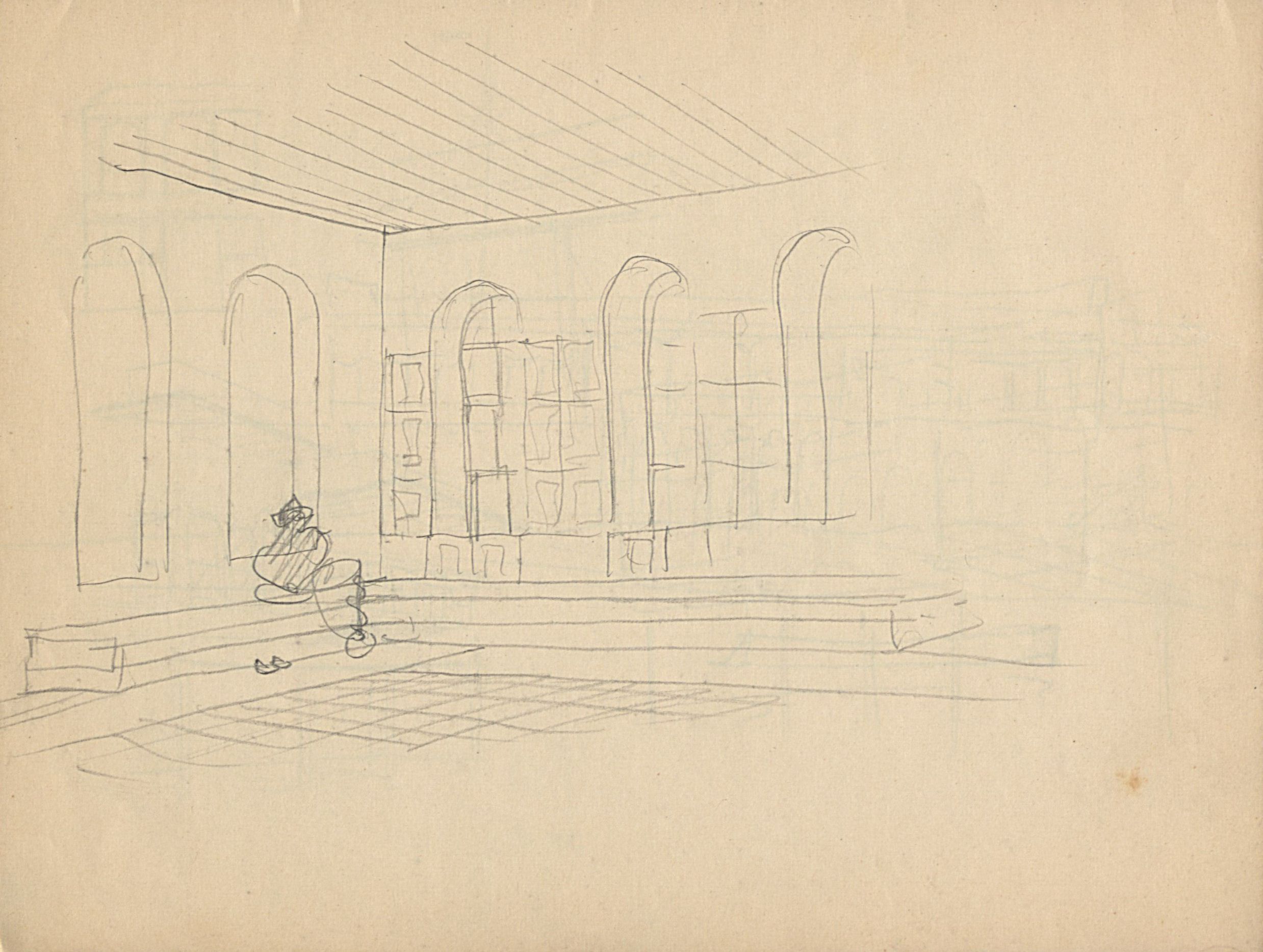
I am deeply grateful to the Design History Society for supporting this research. For me, this experience of working in the archives has been a truly transformative one, as I encountered Eldem’s designs firsthand, and was able to situate them within both local and international contexts. It reinforced my conviction that design history must continue to expand its geographical and conceptual horizons, and that vernacular aesthetics hold untapped potential for understanding modernity in all its diverse forms.
Categories
Contribute
Want to contribute to the blog and newsletter? Contact us
Newsletter
Keep informed of all Society events and activities, subscribe to our newsletter.