Samrudha Dixit, doctoral candidate at Bard Graduate Center in New York City, reports on the 2025 Annual Conference as recipient of the Student Speaker Bursary...
The 2025 Design History Society Annual Conference marked my first encounter with a critically engaged, supportive, and diverse community of design historians. This year’s theme, Converging Paths: Design in the Creative Economy, resonated with my research interest as well as with the historic trade crossroads, Ankara, Turkey. I owe my gratitude to Ankara Bilim University for organising the seamless event, to all the scholars whose insights added a dimension to my conception of design and design history, and the DHS Student/Precariously-Employed Speaker Bursary to make this experience possible.

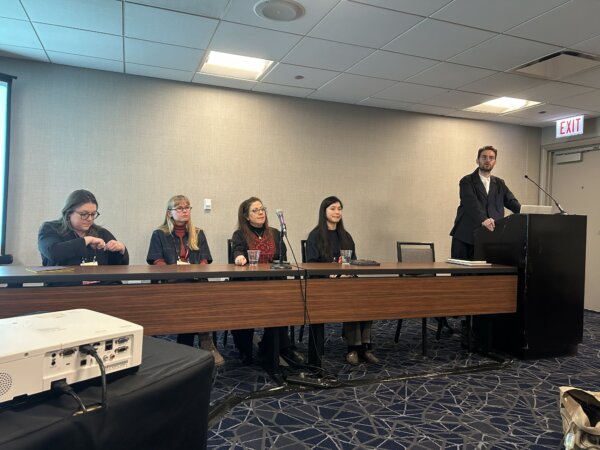
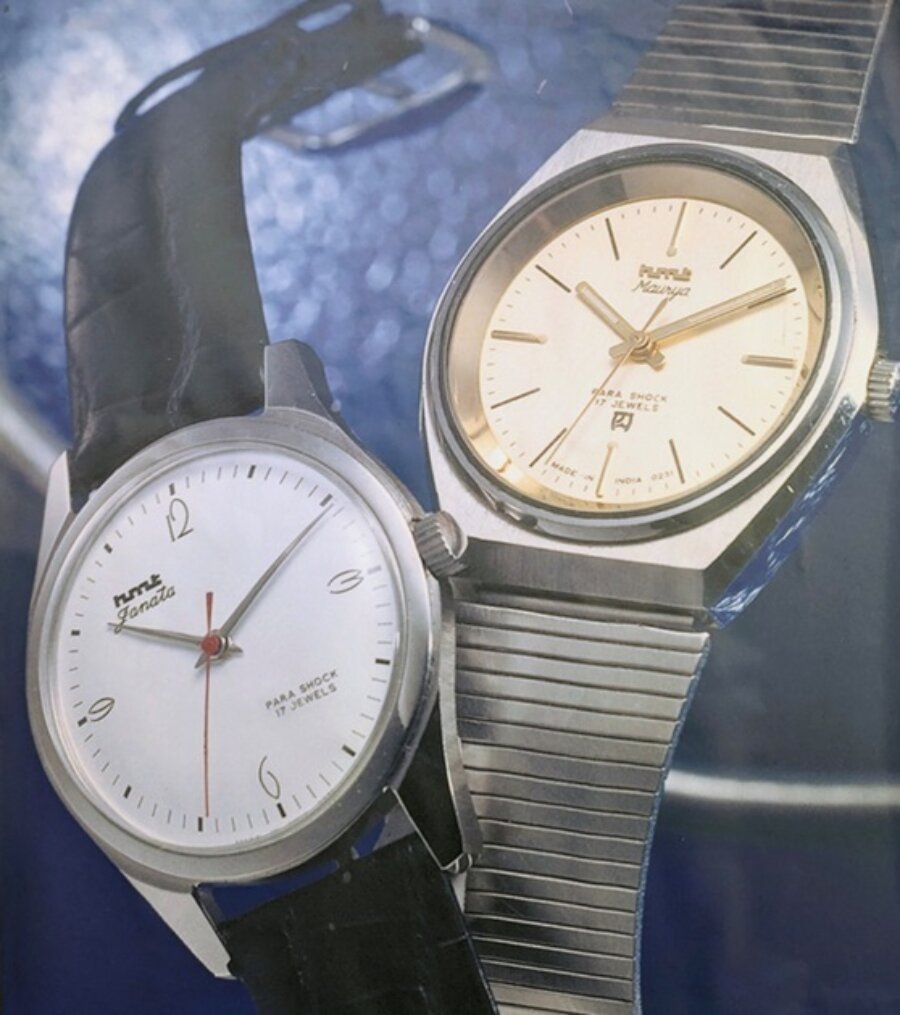
On the conference’s second day, I shared my research findings as part of the Craft Modernization and Postcolonial Economies session chaired by Kjetil Fallan. My paper, Wearing Time in India, traced the emergence of Hindustan Machine Tools (HMT) Janata, independent India’s first wristwatch. From 1960 to 1980, this mechanical timepiece was the primary personal timekeeper for the working-class and a symbol of aspiration for others. Despite its cultural and political significance, the Janata is overlooked in Indian design history.
I framed the Janata within India’s postcolonial economic policies as a Non-Aligned nation during the Cold War. With the HMT, the government aimed to fuse American (US) consumer culture and Soviet (USSR) five-year economic planning. The Janata exemplified efforts of local industrial growth, international technology transfer, and innovative marketing strategies. I drew parallels to the nineteenth century American system, Soviet technology acquisition, and Japanese machine tools innovation supported by archived advertisements, government reports, and interviews.
Wristwatch production is not only an achievement of machine precision but also a proponent of standardisation for efficient labour practices. To demonstrate the Indian context, I experimented with my presentation with a personal anecdote. I recalled an instance when my grandfather, an avid owner of HMT, would wind his thirty-year-old mechanical Janata at a set time every day. The watch not only inculcated a habit in my grandfather but also a sense of discipline in our family. The story at the start of my talk was received positively by the audience. Some of the listeners shared that they were able to visualise my grandfather as I progressed further in my presentation.
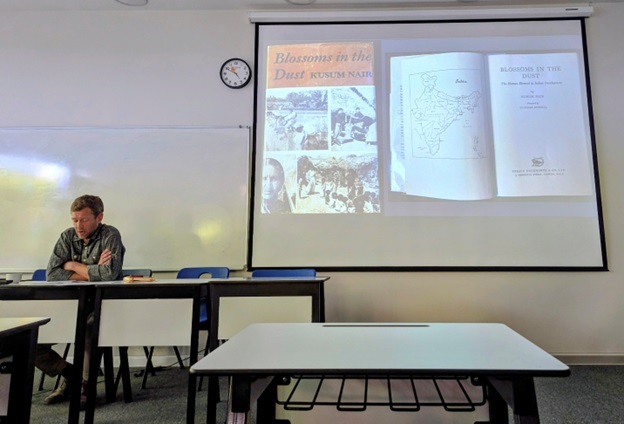
Indian design history has long been focused on the formation of design institutions, ancient craft traditions, or its postcolonial architecture. When I chose to add to the existing scholarship by focusing on everyday objects, I believed that the design institution-craft approach is saturated. From my session, Eric Anderson’s paper, Ulm School’s Development Economy and India’s Craft Economy, challenged and changed my opinion. Anderson’s analysis of Otl Aicher, Sudhakar Nadkarni, and Kusum Nair’s work on Indian development was educational for me. I strongly believe his work will reflect and enhance my on-going research.
The keynote lecture and other talks made me realise that design history is dynamic, open to newer interpretations as our perceptions shift and grow. I was particularly inspired and noted how other presenters included scholarships from fields like the history of technology, business, and science in their design history inquiries. Even the informal discussions spread across the three days and over several social events were rich learning experiences. In my research I was unclear on finding resources from Japan. I am thankful to Seong Kim and Christopher Pokarier who directed me to Japanese patent office and the Japan External Trade Organization (JETRO). Since then both these sources have given my research a new direction.
To conclude I would like to reiterate my thanks to DHS for the Student Speaker Bursary. I am grateful to be part of this annual tradition of expanding design history and excited to be back for the Brno edition.
Samrudha Dixit is a doctoral candidate at Bard Graduate Center in New York City, where he examines everyday objects in India during the Cold War. Trained as an industrial designer, he has collaborated with architects and engineers in India, working with materials and techniques ranging from bamboo to tensile‐fabric construction. His expertise and interest in materials were essential when he served as principal researcher for the Vernacular Furniture of North-West India project at CEPT University. As part of that project, in addition to co-authoring four publications, Samrudha received the Charles Wallace India Trust Fellowship and the Simon Digby Memorial Charity Travel Grant to study furniture construction at the South Asia Collection in Norwich, UK. In his doctoral research, Samrudha engages with the tenets of Science, Technology, and Society and Actor-Network Theory to expand on the designer-focused Indian design history.
Categories
Contribute
Want to contribute to the blog and newsletter? Contact us
Newsletter
Keep informed of all Society events and activities, subscribe to our newsletter.