The global rise of Danish Modern in the 1950s sparked the “teak boom,” driving the widespread adoption of teak in European, North American, and Japanese Mid-Century Modern. Danish designers and cabinetmakers first used teak sporadically in the 1930s in showcase objects and craft production, due to its high cost and Europe’s economic recession during the war. During the 1950s at the export peak of Danish Modernism, teak accounted for 40% of furniture models. In this decade, manufacturers depended on tropical hardwoods such as teak, mahogany, and rosewood for 57% of their production, exceeding native species like oak, beech, birch, and walnut[1].
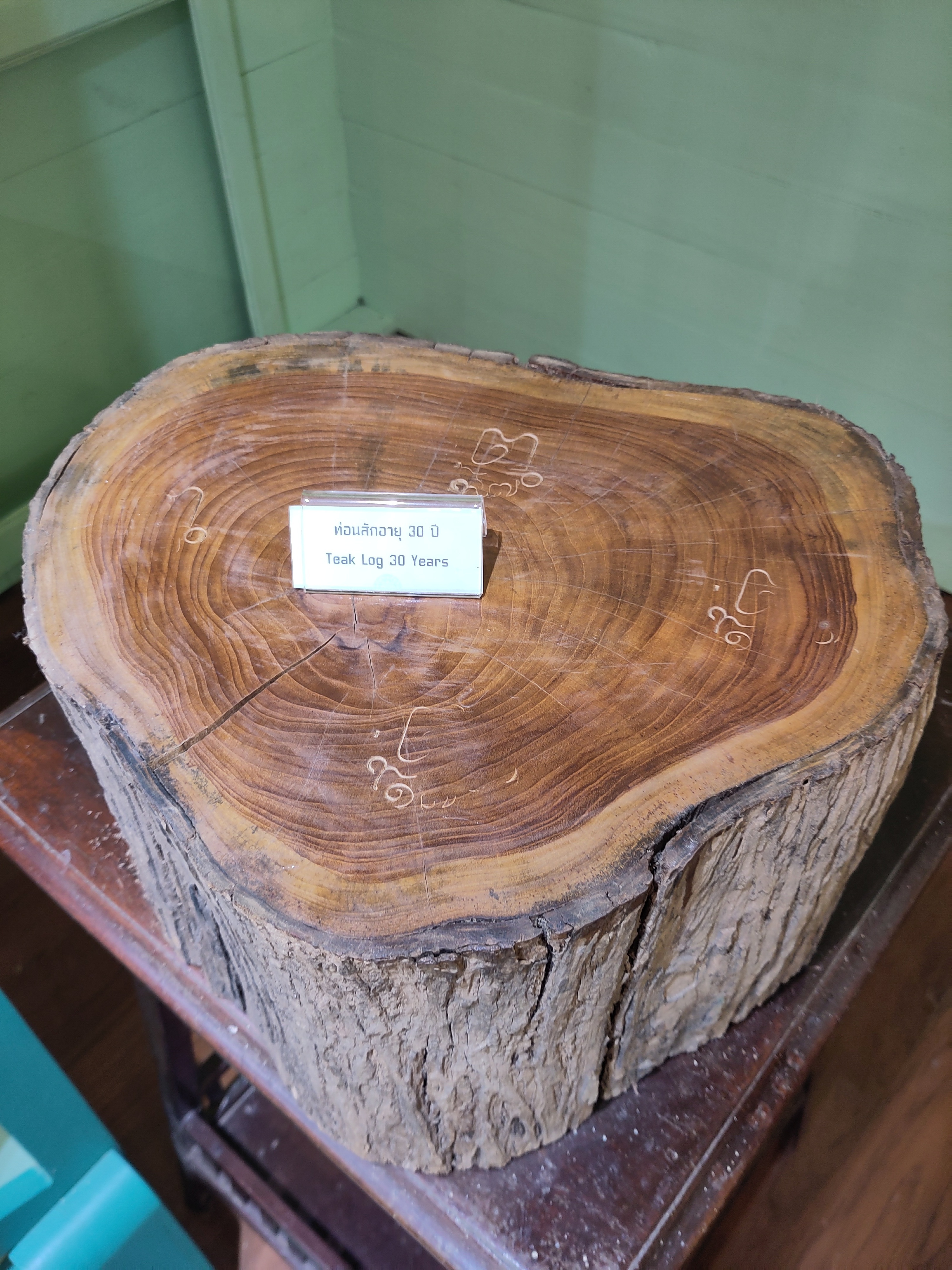
Danish dependency on imported tropical timber is caused by its forest scarcity. During the eighteenth century, rapid deforestation driven by population growth and the expansion of arable areas, alongside Denmark’s loss of control over Norway in 1814 as a key timber source, contributed to severe forest decline. By 1800, Denmark’s forest cover had shrunk to 4% of its total land area[2]. During WWII, despite the constantly increasing demand for Danish design artefacts, manufacturers faced a shortage of timber supply, accelerated by war-caused disruption to import networks and by domestic walnut felling during the 1942 cold spell. Responding to the appeal of cabinetmakers and the furniture industry, the Danish Ministry of Supply issued a subsidy for teak imports in 1951[3].
The Danish government’s decision to exempt tariff imports of teak was not a matter of economic reason; rather, the historical inter-state alliance between Denmark and Thailand, centered on Tectona grandis. At the end of 19th century, the relationship between Danish enterprises and the Siamese monarchy became entangled around teak, functioning as a diplomatic strategy for maneuvering power at the height of colonialism in mainland Southeast Asia.
Foucault’s concept of the dispositif can be used to illustrate how diverse actors mobilized unidirectional forces by the end of the nineteenth century to extract scattered teak trees from deciduous forests under South and Southeast Asian pre-modern regimes[4].
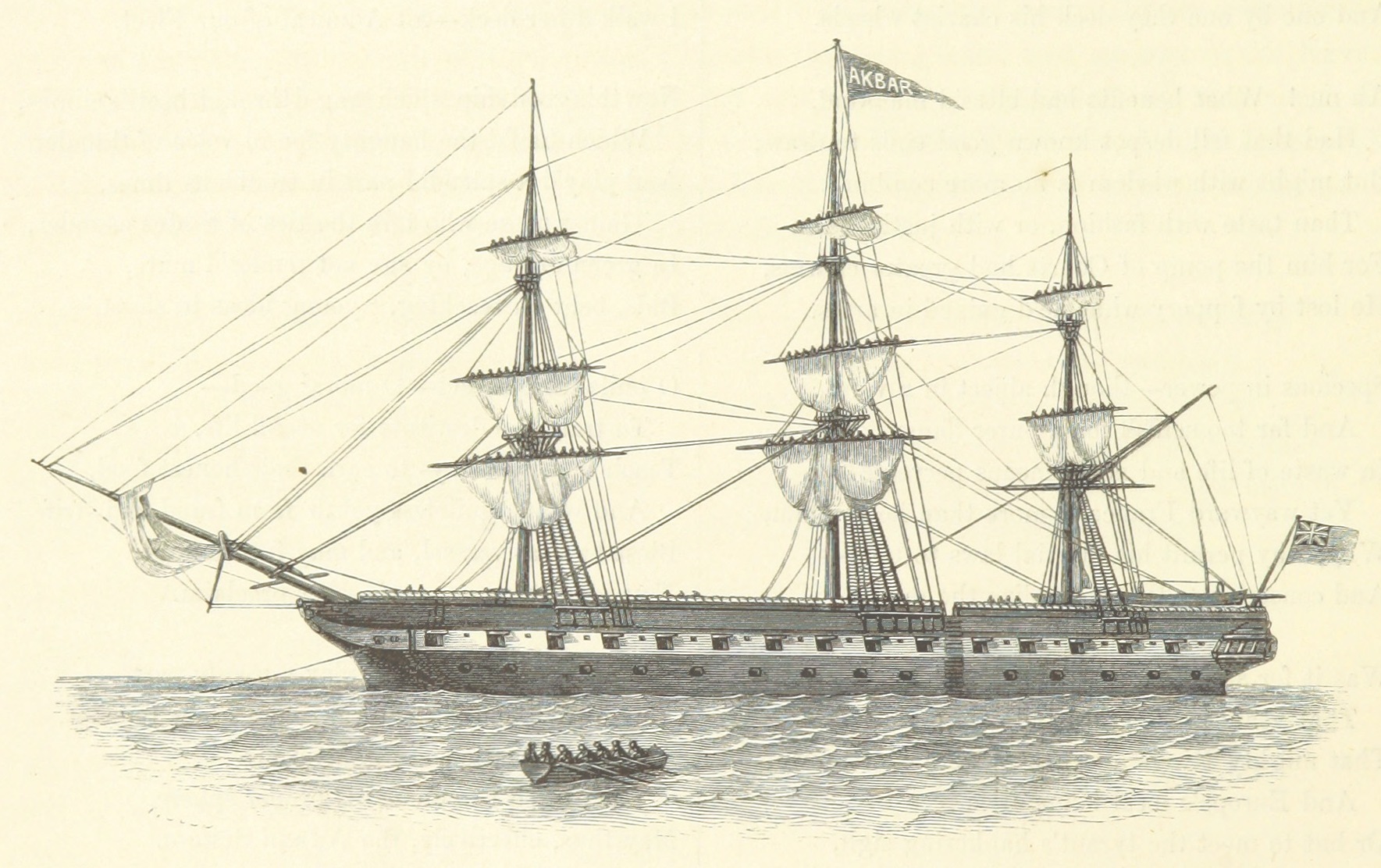
Teak dispositif was a response to a crisis of maritime hegemony among European empires due to the critical shortage of European oak, the traditional shipbuilding material[5]. After the victory in the First Anglo-Burmese War, the port city of Moulmein emerged as a major shipbuilding center and an inland–naval trade node under the control of British Lower Burma, linking the resource-rich interior of Southeast Asia with British India and the Straits Settlements. As forests in coastal regions such as the Malabar Coast (present-day India) and Tenasserim (present-day Myanmar) became depleted, growing material demand drove British timber firms and Burmese merchants northward in search of teak supplies[6].
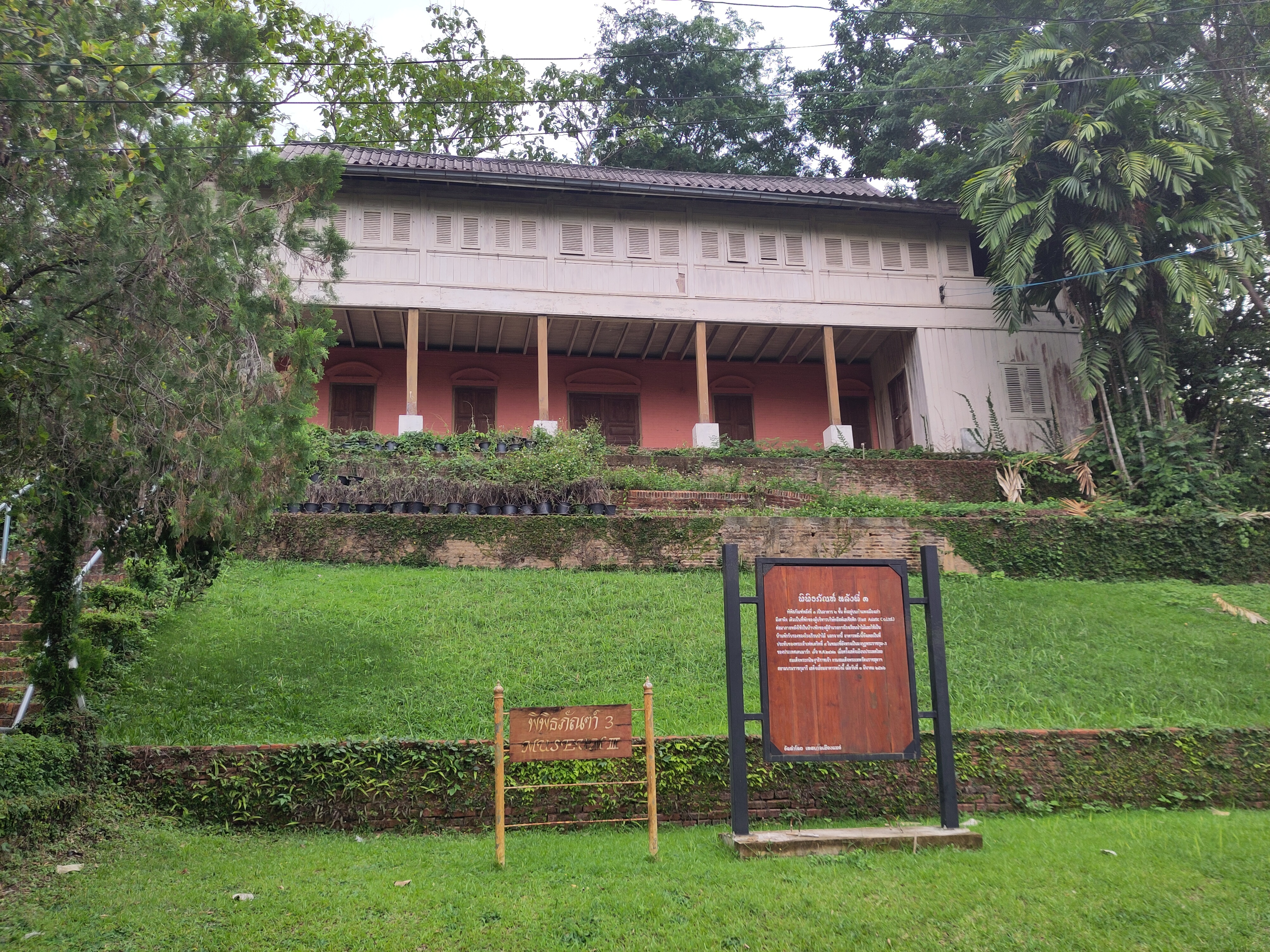
Before the expansion of Siamese and British spheres of influence, an alliance of five autonomous city-states west of the Salween River (hereafter referred to as "Lanna") was governed by absolute rulers who exercised full juridical authority. The minimum political contact and trade between Siam and the Lanna region, hindered by the geographical difficulty of boat travel through rapids waterway[7].
After Thomas Knox, the British consul general’s invitation to visit the Straits Settlements, British India, and British Burma shortly after the coronation, Chulalongkorn, King of Siam, adopted imperial tools of modernization and colonial administration. Recognising teak logs from northern tributary states flowing to Moulmein port, Siam subsequently pursued internal colonization by integrating the Lanna city-states into its nation-state territory. By the 1890s, teak logs from the Lanna region were floated through the Chao Phraya River and exported from the Bangkok port, rather than via the Salween River to Lanna’s natural port of Moulmein[8].
The establishment of the Royal Forest Department reduced the uncertain authority of local rulers andfacilitated secured long-term logging leases under a modern legal framework. Siam adopted British-style forestry, exercising exclusive state ownership and centralized forest management through an absolutist government. Functioning as a yield-oriented forest practice, scientific forestry also operated as an instrument of enforcement to deter the involvement of local populations[9].
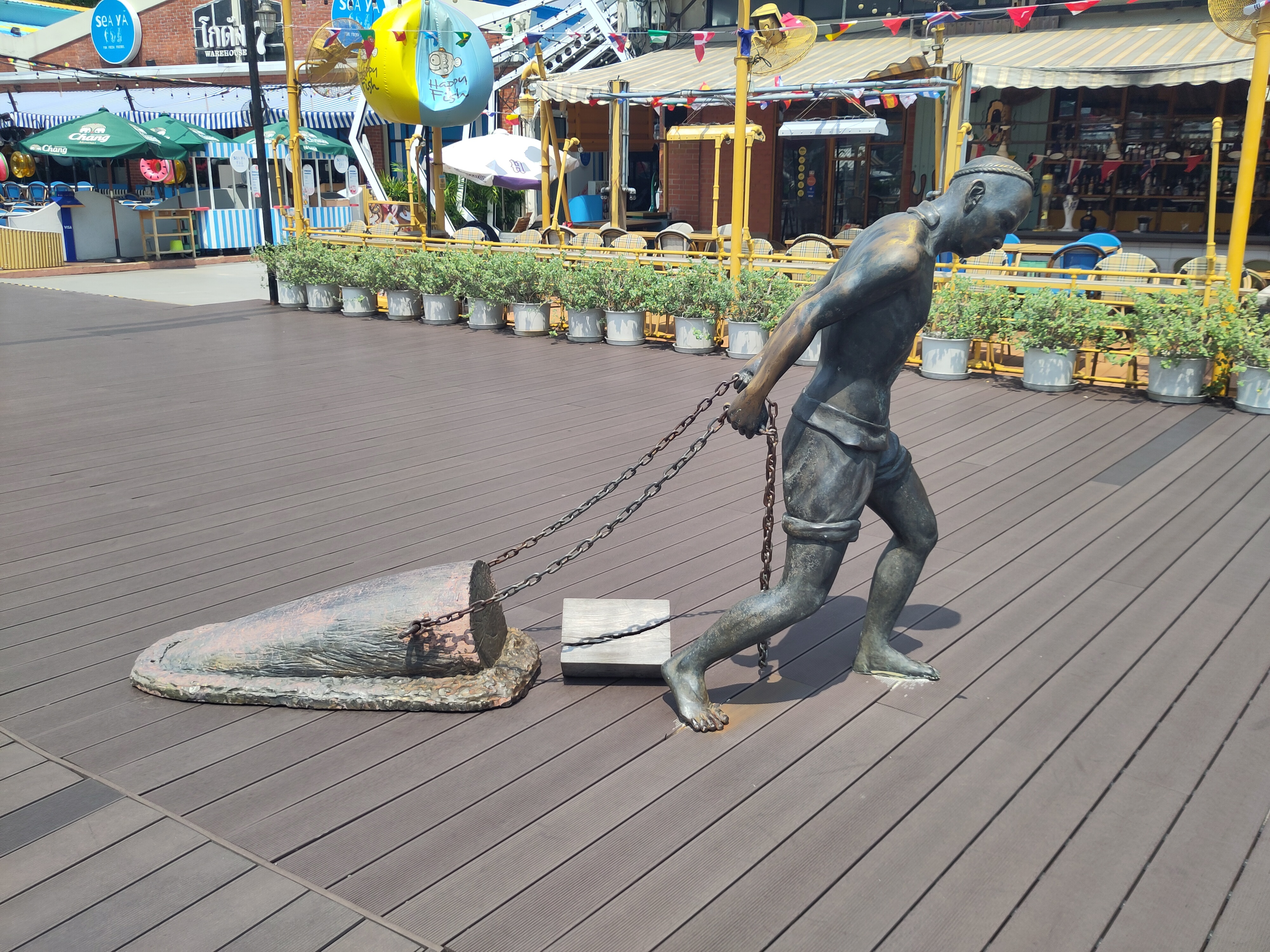
The institutionalization of forest management enabled foreign capital to monopolise Lanna forests, illustrating an ambiguous alliance between Siamese ruling elites and European firms. Within a logging monopoly dominated by British firms, the Danish East Asiatic Company (EAC) played a vital role as a key logistics node in the global timber distribution network. The Danish logging company transformed from a subcontractor under Lanna ruler into a concessionaire holding a 50-year logging lease[10]. Beyond logging and sawmill operations, EAC specialized in global shipping, linking watershed forests to European ports.
Similar to Siamese ruling elites, EAC pursued its own interests within the teak tension field. Through a close tie with King Chulalongkorn, Hans Niels Andersen and his co-founder Andreas du Plessis de Richelieu (the Danish admiral in the Siamese navy), gained exceptional trust from the absolutist government, which viewed Denmark as lacking territorial ambitions[11].
By the 1950s, EAC had become Denmark’s largest company. Its global operations expanded on the model first developed in Thailand, combining the Danish neutral position in newly independent nations with large-scale resource extraction in peripheral regions[12]. At the ‚BO Godt Forum‘ celebrating the 400th anniversary of Copenhagen’s Cabinetmakers’ Guild in 1954, the EAC presented a pavilion with Thai architectural motifs and timbers from Siam, Canada, the Gold Coast, and other operating regions[13].
The access to teak by the Danish design industry emerged during the brief interval between the end of European control over Thai forests and the rise of ecological and anti-imperialist movements in both the metropolitan center and the periphery in the 1960s. Its access was made possible through a historically constituted network of human, technological, and discursive actors.
Originally from Northern Thailand, Metini Krivanish holds a Bachelor of Arts in Journalism from Chiang Mai University and a Master of Science in Design Research from Anhalt University of Applied Sciences in Dessau, Germany. Currently, she is pursuing doctoral research that examines the socio-technical networks of teak extraction and the dynamics of timber access between metropoles and resource frontiers. Her research situates Danish Modern within unequal global resource distribution.
[1] Data were compiled from records in the Furnitureindex database maintained by Designmuseum Danmark. Accessed December 2, 2025, https://designmuseum.dk/en/furnitureindex/
[2] Mather, A. S., C. L. Needle, and J. R. Coull. 1998. “From Resource Crisis to Sustainability: The Forest Transition in Denmark.” International Journal of Sustainable Development & World Ecology 5 (3): 182–93.
[3] Taft, Maggie. 2025. "Scandinavian design, Thai teak and material availability as methodology." In Transnational Discourses in Nordic Design, edited by Astrid Skjerven and Rachel Gotlieb , 69–84. London: Bloomsbury Visual Arts. http://dx.doi.org/10.5040/9781350249233.ch-004.
[4] Foucault, Michel. 1978. The History of Sexuality: Volume 1 An Introduction. Translated by Robert Hurley. New York: Pantheon.
[5] Albion, Robert G. 1926. Forest and Sea Power: The Timber Problem of the Royal Navy 1652–1862. Cambridge: Harvard University Press.
[6] Easum, Taylor M. 2024. Chiang Mai between Empire and Modern Thailand: A City in the Colonial Margins (1st ed.). London: Routledge; Webster, Anthony. 1998. Gentlemen Capitalist: British Imperialism in Southeast Asia 1770-1890. London: Tauris Academic Studies.
[7] Wattananikorn, Kittichai. 2025. British Teak Wallahs in Northern Thailand from 1876-1956. Bangkok: White Lotus.
[8] Farungsang, Araya. 2021. Teak: Development of Power Relations between Lanna, Siam, and Great Britain 1874–1960. Master’s thesis, Chiang Mai University; Rajchagool, Chaiyan. 1994. The Rise and Fall of the Thai Absolute Monarchy. Bangkok: White Lotus; Winichakul, Thongchai. 1994. Siam Mapped: A History of the Geo-Body of a Nation. Honolulu: University of Hawaii Press.
[9] Usher, Ann Danaiya. 2009. Thai Forestry: A Critical History. Chiang Mai: Silkworm.
[10] Suwannakas, Mueanphim. 2012. "Forestry Business in Phrae before 1989: Capitalists, Labor, and Technology," Journal of History (Srinakharinwirot University), January–December, 34–48.
[11] Ivarsson, Søren, Preedee Hongsaton, and Karin Zackari. 2025. “Going Beyond the Tropes of ‘Friendship’ and ‘Modernization’: Internal Colonialism in Siam and Scandinavia in the Age of Empire.” Scandinavian Journal of History 50 (1): 52–76.
[12] The East Asiatic Company LTD. 1957. Aktienselskabet Det Østasiatiske Kompagni. Copenhagen: Egmont H. Petersen.
[13] Danish National Archives in Copenhagen, Denmark, A/S Det Østasiatiske Kompagni, Udstillingsfolder vedr. træsorter til ØKs stand på messe i Forum (1954 - 1954).
Categories
Contribute
Want to contribute to the blog and newsletter? Contact us
Newsletter
Keep informed of all Society events and activities, subscribe to our newsletter.